What to Expect During a Professional Furnace Installation?
A furnace is one of the most important components of any home’s heating system, especially in regions that experience long, cold winters. While many homeowners focus on selecting the right furnace model, the installation process itself plays an equally critical role in determining system performance, energy efficiency, safety, and longevity. Even the most advanced heating equipment can fail to deliver reliable comfort if it is not installed correctly. That is why professional furnace installation remains a vital investment for homeowners seeking dependable indoor comfort and lower operating costs.
Understanding what happens during a professional furnace installation helps homeowners prepare for the process and make informed decisions. From the initial assessment and equipment selection to system testing and final inspections, each step is designed to ensure the new furnace operates safely and meets the heating demands of the property. Professional installers follow industry standards, building codes, and manufacturer requirements while addressing factors such as airflow, ductwork compatibility, ventilation, and energy efficiency. By knowing what to expect before installation day arrives, homeowners can feel confident throughout the process and better appreciate the value of professional workmanship that supports long-term heating performance.
Initial Home Evaluation and System Assessment
- Understanding Your Home’s Heating Requirements
A professional furnace installation begins long before any equipment is delivered. The first step involves a detailed evaluation of the home to determine heating requirements. Every property has unique characteristics that influence heating demand, including square footage, insulation levels, window placement, ceiling height, and climate conditions.
Rather than simply replacing an old furnace with the same size unit, professionals calculate the home's heating load to ensure proper sizing. This prevents issues caused by oversized or undersized equipment. A furnace that is too large may cycle on and off frequently, while a unit that is too small may struggle to maintain comfortable temperatures.
- Inspecting Existing HVAC Components
During the assessment phase, installers examine existing HVAC infrastructure, including ductwork, vents, thermostats, gas lines, electrical connections, and ventilation systems. Identifying potential issues before installation helps avoid unexpected delays and ensures the new furnace integrates properly with existing components.
For example, aging ductwork with leaks or restrictions can reduce heating efficiency. Addressing these concerns before installation allows the entire system to perform as intended once the new furnace is operational.
Selecting the Right Furnace for Maximum Performance
Matching Equipment to Household Needs
Choosing the right furnace involves more than comparing brands and efficiency ratings. Professionals consider household occupancy, heating preferences, budget goals, and long-term energy savings when recommending equipment.
Modern furnaces are available in multiple efficiency levels, including standard-efficiency and high-efficiency models. Higher-efficiency systems often reduce monthly utility costs while providing more consistent indoor comfort.
Homeowners may also choose between single-stage, two-stage, and variable-speed furnaces. Each option offers different advantages depending on comfort expectations and heating demands.
Evaluating Fuel Sources and Efficiency Ratings
Fuel type is another important consideration. Natural gas furnaces remain a popular choice because of their reliability and operating costs, while electric furnaces may be appropriate in certain situations.
Professionals explain Annual Fuel Utilization Efficiency (AFUE) ratings and help homeowners understand potential energy savings. A higher AFUE rating means more fuel is converted into usable heat, reducing waste and lowering energy consumption over time.
Selecting the proper equipment during this stage establishes the foundation for dependable heating performance and long-term value.
Preparing the Home for Installation Day
- Removing the Existing Furnace
Once the new furnace has been selected, installation day begins with safely disconnecting and removing the existing system. This process requires shutting off power sources, disconnecting gas lines when applicable, and carefully removing old equipment without damaging surrounding components.
Professional technicians follow strict safety procedures throughout the removal process. Proper disposal of old equipment is also handled according to local regulations and environmental requirements.
- Preparing the Installation Area
Before the new furnace is installed, the work area is inspected and prepared. This may include cleaning the space, modifying mounting platforms, updating electrical connections, or making ventilation improvements.
If code requirements have changed since the original furnace was installed, updates may be necessary to ensure compliance. Addressing these factors before installation prevents future safety concerns and inspection issues.
Homeowners often appreciate this stage because it demonstrates the attention to detail required for a successful installation rather than simply swapping one unit for another.
The Furnace Installation Process Explained
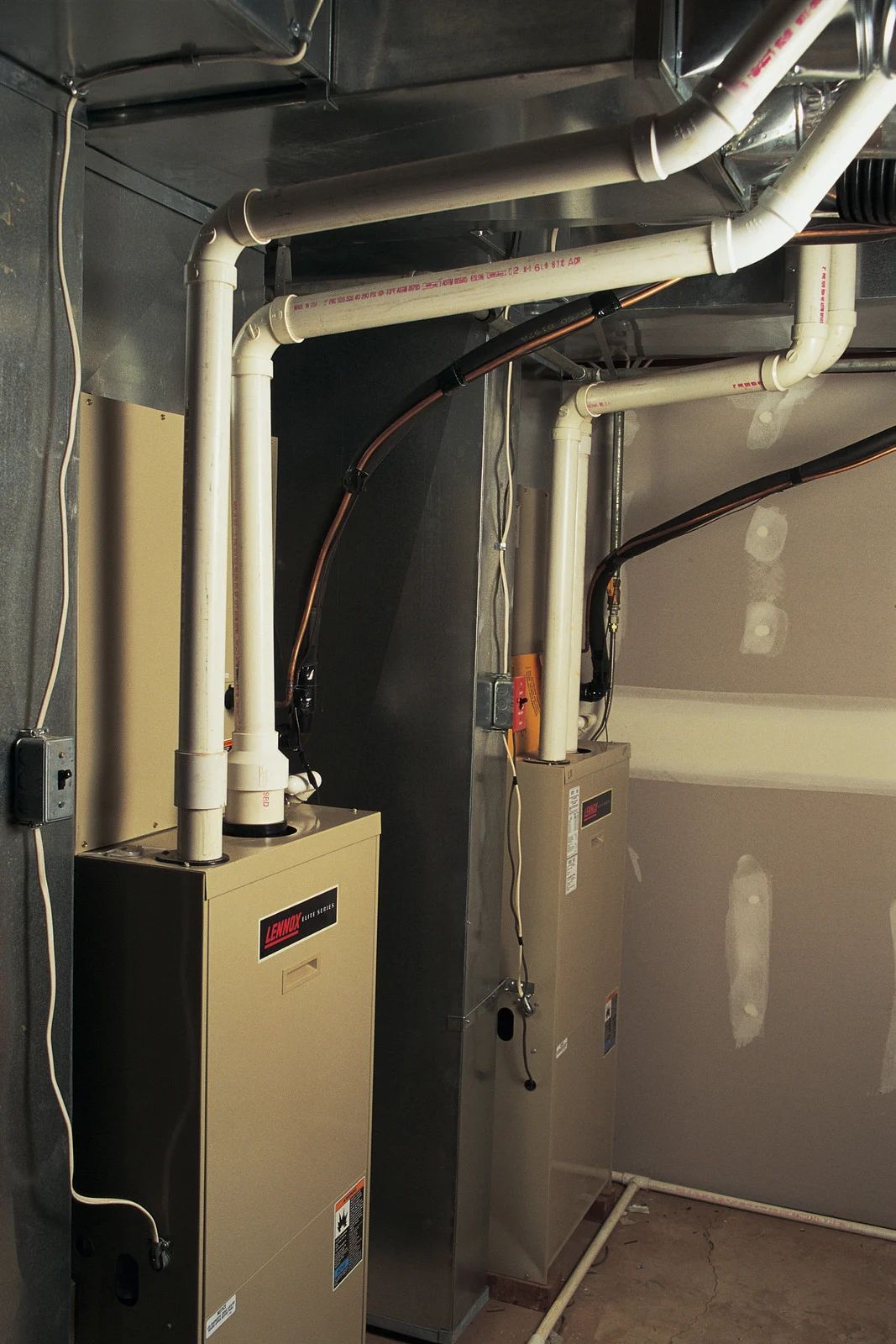
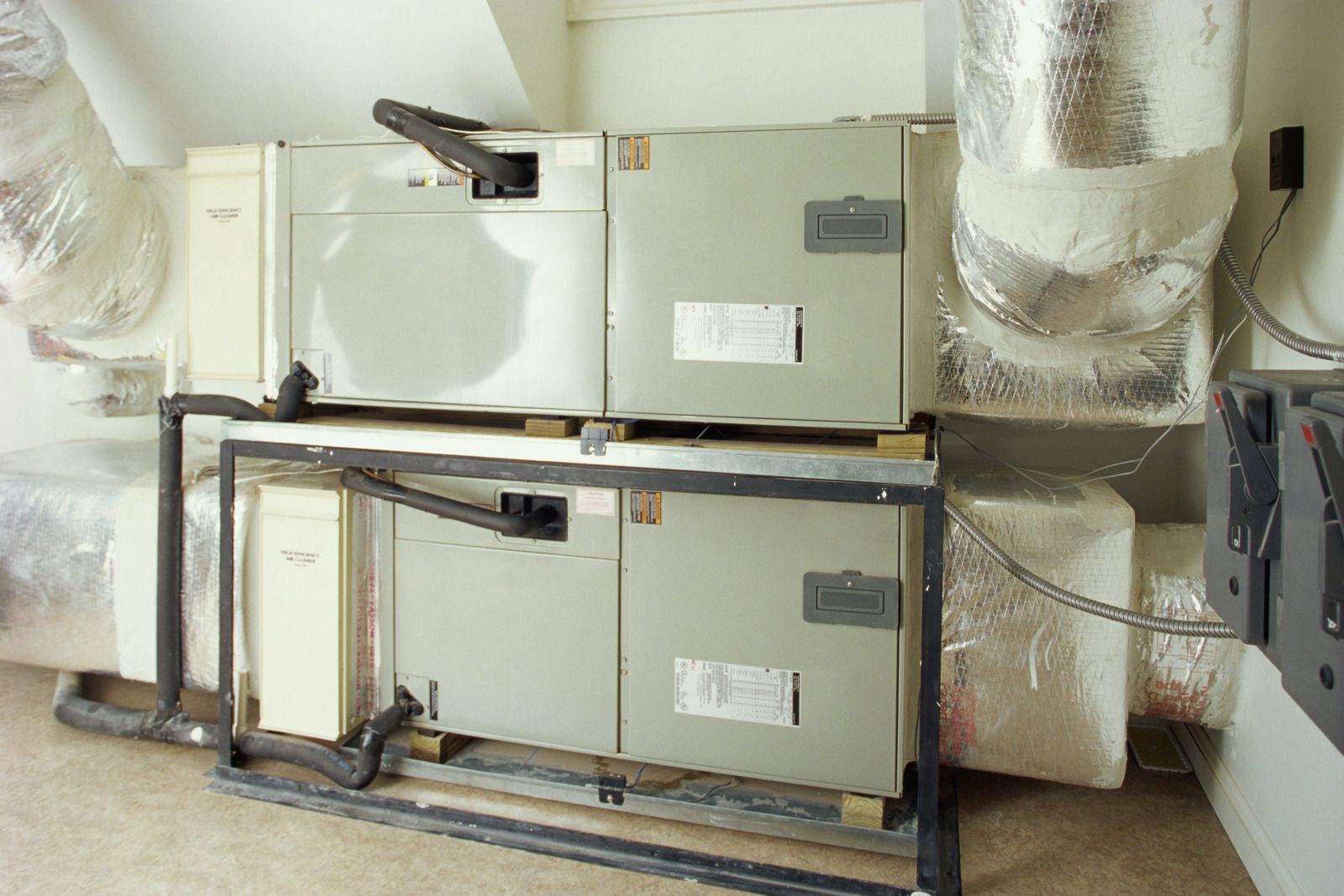
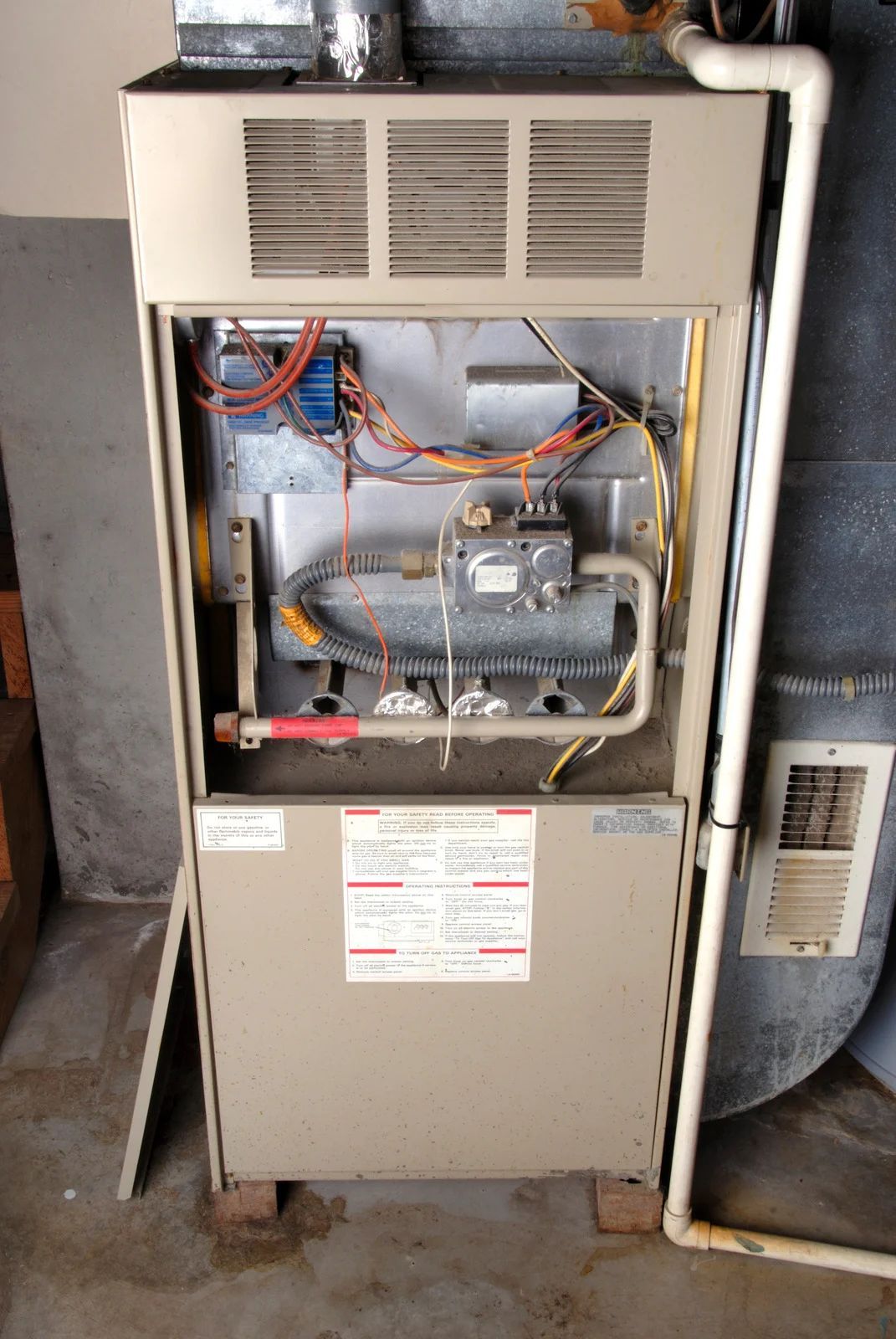
Installing the New Heating Equipment
The actual furnace installation involves positioning the new unit and connecting it to the home's HVAC system. Technicians carefully align the equipment to ensure proper airflow and efficient operation.
Connections typically include:
- Electrical wiring
- Gas supply lines
- Ventilation components
- Condensate drainage systems
- Air distribution ductwork
- Thermostat controls
Each connection must meet manufacturer specifications and local building codes.
A common real-world example involves replacing an older furnace with a modern high-efficiency model. Because newer systems often require different venting configurations, installers may need to modify exhaust piping to accommodate updated technology.
Integrating Supporting Components
Many furnace installations also include upgrades to supporting equipment. This may involve installing a new thermostat, replacing air filters, adding indoor air quality products, or updating safety controls.
Smart thermostats are increasingly popular because they allow homeowners to manage heating schedules remotely and improve energy management. Integrating these technologies during installation creates a more complete and efficient heating system.
Attention to detail during this phase directly influences system reliability, comfort levels, and operating costs throughout the furnace's lifespan.
Testing, Calibration, and Safety Verification
- Comprehensive System Performance Testing
Installation is only part of the process. Before the project is considered complete, extensive testing ensures every component functions properly.
Technicians evaluate:
- Airflow performance
- Temperature output
- Thermostat communication
- Burner operation
- Ignition systems
- Electrical performance
- Ventilation efficiency
- Safety shutoff controls
These tests verify that the furnace is operating according to manufacturer specifications.
For example, insufficient airflow can place unnecessary strain on system components. Identifying and correcting airflow issues during installation helps prevent future breakdowns and comfort problems.
- Safety Checks and Code Compliance
Safety remains one of the most important aspects of professional furnace installation. Installers inspect gas connections for leaks, verify combustion safety, and confirm proper exhaust venting.
Carbon monoxide prevention is a major focus during this stage. Proper ventilation ensures combustion gases exit the home safely while maintaining healthy indoor air conditions.
Building codes exist to protect homeowners and ensure system safety. Professional installers verify compliance throughout the installation process, reducing risks associated with improper equipment operation.
What Happens After Installation Is Complete?
- Homeowner Education and System Walkthrough
Once installation and testing are complete, professionals provide a detailed system walkthrough. Homeowners learn how to operate the thermostat, replace filters, recognize maintenance needs, and understand basic troubleshooting procedures.
This education helps maximize furnace performance while reducing unnecessary service calls.
Topics commonly discussed include:
- Thermostat programming
- Filter replacement schedules
- Seasonal maintenance recommendations
- Energy-saving practices
- Warning signs requiring professional attention
Understanding these fundamentals helps homeowners protect their investment.
- Ongoing Maintenance and Long-Term Benefits
A professionally installed furnace delivers the greatest value when paired with regular maintenance. Annual inspections help identify wear before major issues develop and ensure continued efficiency.
Routine maintenance can extend equipment lifespan, improve energy performance, and reduce the likelihood of unexpected repairs.
Many homeowners notice immediate benefits following professional installation, including:
- Improved indoor comfort
- More consistent temperatures
- Reduced energy consumption
- Quieter operation
- Better indoor air quality
- Enhanced system reliability
These advantages demonstrate why proper installation is just as important as selecting quality equipment.