Furnace Keeps Shutting Off After a Few Minutes? The Flame Sensor Clue
Quick Answer: When a furnace fires up, runs for three to five minutes, then quits and goes cold, a dirty flame sensor is the most common cause. The sensor is a thin metal rod sitting in the burner flame that sends a tiny electrical signal — measured in microamps — back to the control board to prove a flame is actually burning. Carbon soot coats that rod over time, weakens the signal below what the board will accept, and the board shuts the gas valve off because it thinks the flame went out even though it didn't. A light cleaning with fine sandpaper often fixes it in ten minutes. But a clogged filter tripping the high-limit switch, a cracked igniter, or a stuck pressure switch can produce the exact same symptom, so the fix isn't automatic until you know which part is actually failing.
Why a Furnace Runs for Minutes Then Shuts Off
You're sitting a few feet from the vent in your living room around six in the morning, coffee in hand, and the furnace kicks on right on schedule. Warm air pushes out for a few minutes, the house starts to feel decent, and then it just stops. Not a slow taper — an abrupt cutoff, like someone flipped a switch. The blower keeps running a bit longer, blowing room-temperature air, then everything goes quiet. Ten or fifteen minutes later, if the thermostat still wants heat, it tries again. Same result.
That pattern — heat, then silence, then cold, on a loop — is what techs call short cycling. It's one of the more frustrating furnace complaints because the unit clearly isn't dead. It's trying. Something inside keeps interrupting it mid-run, and that something is usually a small part doing exactly what it's designed to do: shutting the furnace down before it does something worse.
Most people don't realize, until they've lived with this for a week, that the part causing it often isn't broken in any obvious way. Not sparking. Not smoking. Just dirty, or slightly out of calibration, with the furnace's own safety logic doing its job a little too well.
What a Flame Sensor Actually Does
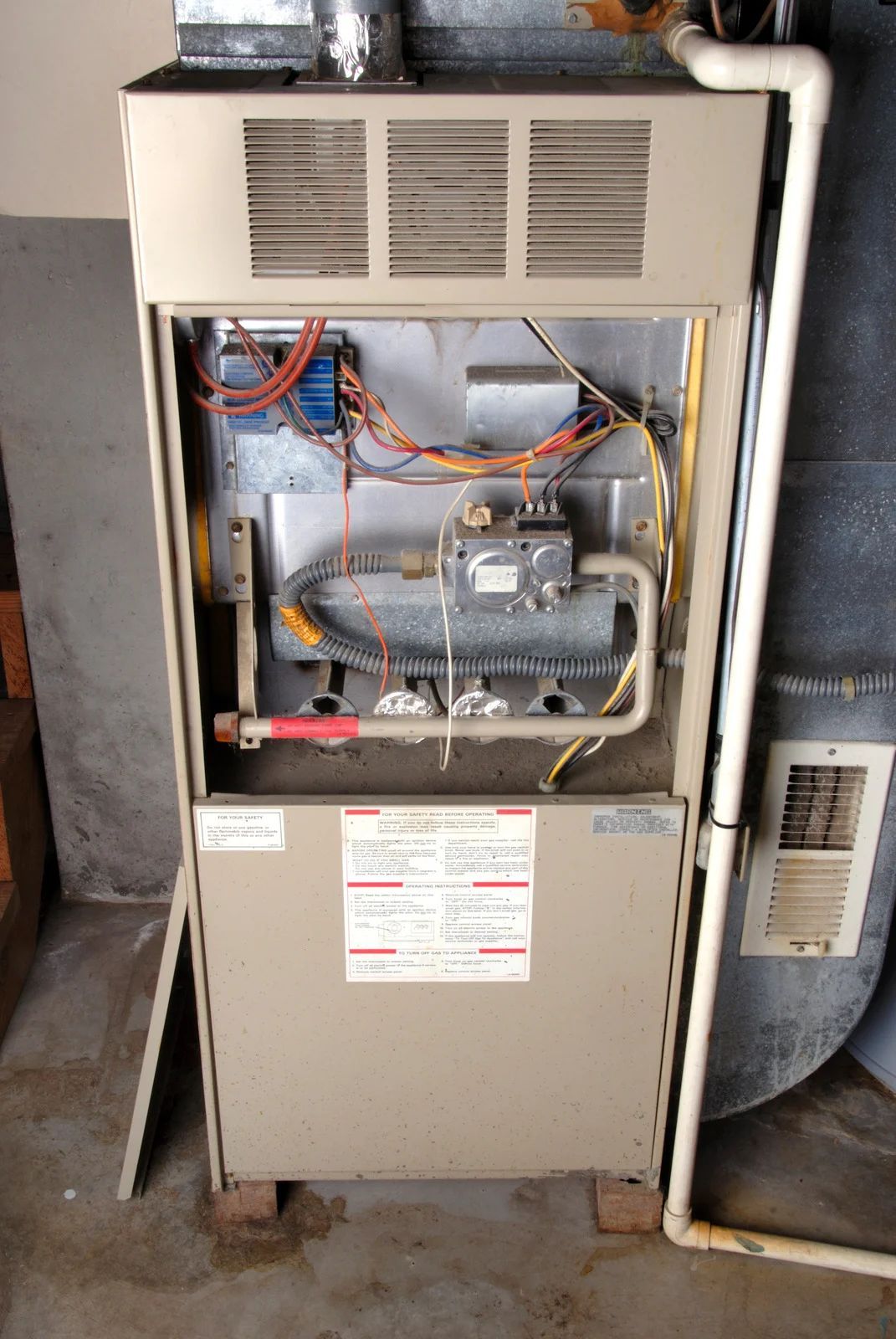
Every modern gas furnace must confirm that a flame is present before keeping the gas valve open. It does not use a camera or heat sensor to make that determination. Instead, it relies on flame rectification. A flame sensor sits directly in the burner flame and helps the control board verify combustion. This electrical process explains why a furnace can ignite normally, run briefly, and then shut down when the flame signal becomes too weak.
How Flame Rectification Creates the Signal
The flame sensor is a slim metal rod positioned directly in the burner's flame path. The control board sends a low-voltage AC signal, often around 90 volts, through the rod and into the flame. Because the burning flame is ionized and slightly conductive in one direction, it converts part of that AC signal into a small DC current. That returning microamp signal travels back to the control board, providing proof that combustion is continuing safely.
What Happens When the Microamp Signal Drops
A healthy furnace flame sensor commonly produces roughly 2 to 6 microamps, although readings vary by system. Many control boards require approximately 0.5 to 1 microamp or more to confirm the flame. If the signal falls below that threshold, the board assumes the flame has gone out and immediately shuts off power to the gas valve. The burners then stop, even though combustion may still be occurring. From the board's perspective, the safety shutdown is working correctly.
How Carbon Buildup Weakens the Flame Signal
Carbon buildup can gradually weaken the flame signal by coating the sensor rod. Each firing may leave behind microscopic deposits, and those deposits accumulate over time. The coating interferes with the sensor's ability to conduct the rectified signal back to the control board. This is why a furnace may operate normally for several minutes before shutting down. As conditions change during operation, the weakened signal can fall below the board's required threshold, triggering the safety shutdown.
Cleaning or Replacing a Faulty Flame Sensor
When the flame sensor is actually the problem, the repair is usually straightforward. A technician removes the sensor rod and carefully cleans its surface with a suitable fine abrasive pad before reinstalling it. Steel wool should generally be avoided because it can scratch the surface and encourage faster buildup. If the sensor is heavily pitted, corroded, damaged, or has cracks around its porcelain insulator, cleaning may not be enough, and replacement is typically the better solution.
It's Not Always the Sensor — Three Other Parts That Cause the Same Symptom
A flame sensor problem and a high-limit switch problem look identical from the living room, and that's what trips most people up. Both produce heat, a shutdown a few minutes in, and a cold house. You cannot tell them apart by watching the vent.
A Clogged Filter Overheating the Furnace
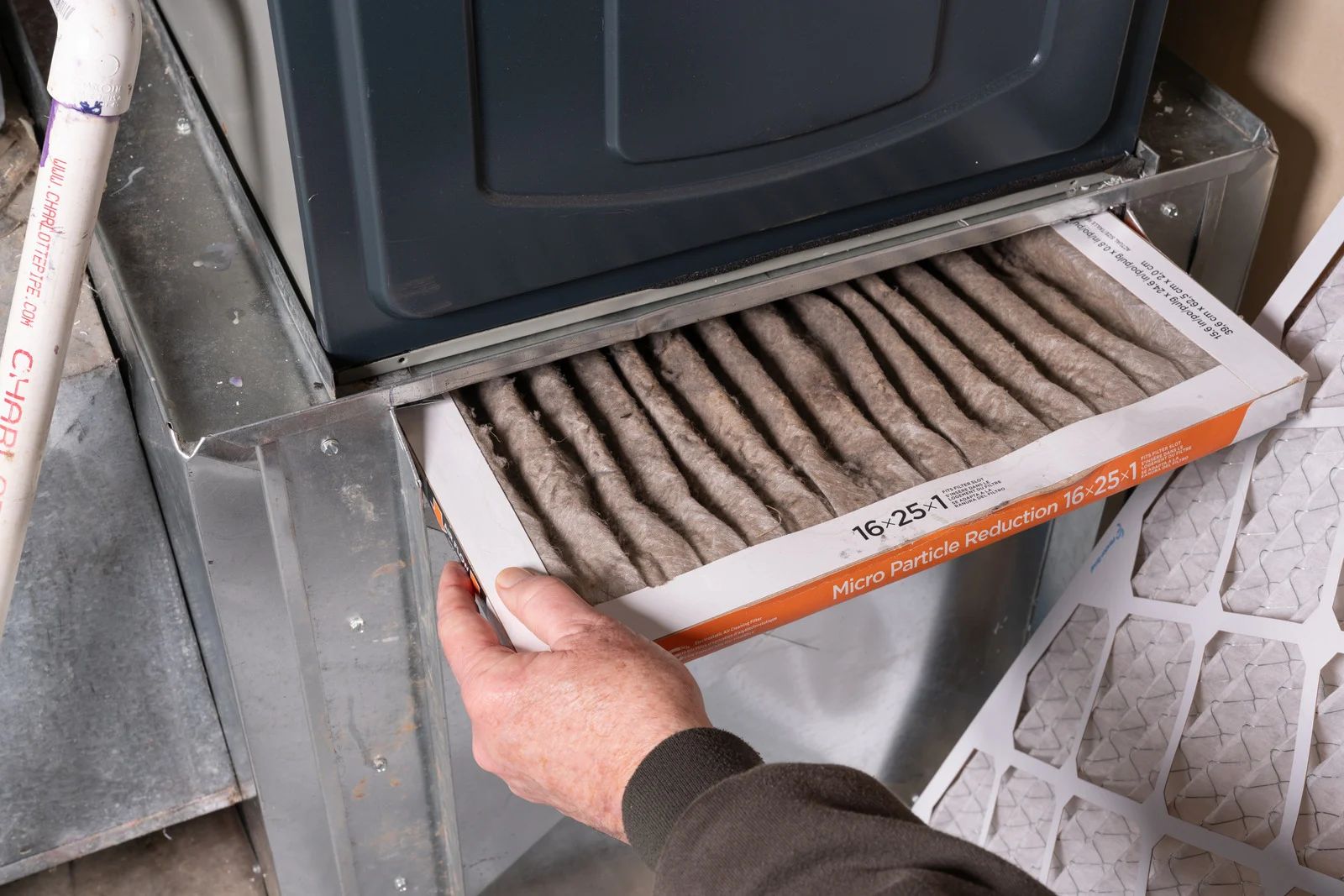
The high-limit switch monitors furnace temperature and protects against overheating. When a filter becomes packed with dust and pet hair, airflow drops and heat cannot escape efficiently. Cabinet temperature rises until the switch reaches its set point, shuts off the burners, and may keep the blower running. The symptoms can closely resemble a flame sensor problem.
A Failing High-Limit Switch, On Its Own
Sometimes the high-limit switch itself becomes unreliable. Internal contacts can weaken or the switch can drift out of calibration, causing it to trip even when furnace temperatures and airflow are normal. This makes the problem harder to diagnose because replacing a dirty filter will not correct it. The switch may need testing and replacement by a technician.
A Cracked or Weakening Igniter
A failing igniter usually causes different symptoms, such as failure to ignite or repeated ignition attempts. However, an igniter that is weakening or drawing inconsistent current can create unreliable ignition. The resulting flame may be unstable or marginal from the beginning, making it harder for the flame sensor to produce a strong, consistent signal.
A Pressure Switch or Venting Problem
High-efficiency furnaces use an inducer motor and pressure switch to verify proper exhaust airflow before ignition. If the intake or exhaust becomes partially blocked, venting is restricted, or the pressure switch begins failing, the furnace can lose that signal during operation. The control board may then shut down the burners, sometimes displaying an error code.
Tip: Before calling anyone, pull your filter and hold it up to a light. If you can't see light through it, that alone can be enough restriction to trip a high-limit switch and mimic every symptom described above — and swapping it takes about two minutes.
How a Technician Actually Figures Out Which Part Failed
Guessing wastes a service call. A tech with a clamp meter and a code reader can usually narrow this down in the first fifteen minutes on site.
Start With Stored Fault Codes
A technician first checks the furnace control board for stored fault codes. LED sequences can identify ignition, limit, or pressure issues, quickly narrowing the diagnosis before any components are removed.
Test the Flame Sensor
The technician measures the flame sensor’s microamp signal during startup and operation. A weak or declining reading that drops below the required threshold when the furnace shuts down strongly points to a failing sensor.
Check Airflow and Limit Switch
If the sensor tests normally, the technician checks airflow, filter and coil restrictions, blower performance, and high-limit switch operation. Poor airflow or a faulty switch can cause repeated shutdowns even when ignition works correctly.
Inspect Venting and Pressure Switch
Finally, the technician inspects intake and exhaust venting, pressure-switch tubing, and inducer operation. Blockages, cracks, or condensate buildup can prevent proper draft and trigger shutdowns that closely resemble flame-sensor problems.
Why This Fight Never Really Ends for a Colorado Furnace
At the altitude most homes along the Front Range sit at, roughly 5,000 to 6,500 feet depending on the neighborhood, the air is thinner. That changes how a furnace burns gas. Manufacturers account for it with high-altitude derate kits, adjusted manifold pressure, and often a different orifice size than the same model ships with at sea level. Get that calibration even slightly off during an install or a parts swap, and the flame runs leaner or lazier than it should — which shows up on a flame sensor's readings faster than it would elsewhere.
Then there's run time. Long stretches of single-digit and sub-zero overnight lows mean furnaces here run longer cycles, more often, across more months than furnaces in milder climates ever do. More burn hours means more soot on that sensor rod, plain and simple. A furnace working through a Front Range December and January lays down carbon film every day the temperature drops.
Cold, dry air adds a second wrinkle. Low-humidity air holds a static charge, and beyond shocking you on a doorknob, it makes airborne dust cling harder to ductwork and furnace cabinets — the same dust that chokes a filter and stresses a high-limit switch. Whole-house humidifiers running off the furnace to fight that dryness bring their own issue: hard water here leaves mineral scale on humidifier pads, and a scaled-up pad sitting in the airstream can be the difference between a marginal filter and an actual overheating trip.
Warning: If your furnace is shutting off on what looks like a high-limit trip, don't keep resetting the breaker or the thermostat and hoping it holds. A limit switch that trips repeatedly is telling you the furnace is actually overheating somewhere, and forcing it to keep running past that safety can point toward a real hazard — a cracked heat exchanger, a blocked vent pushing combustion gases somewhere they shouldn't go, or a blower motor that's failing outright. Shut the system off and get it looked at rather than fighting the safety switch.
Common Questions About Furnace Short Cycling
Why does my furnace run fine for exactly three or four minutes before it dies?
That timing points to a flame sensor whose signal starts marginal and degrades as the rod heats mid-run. It crosses the board's minimum threshold at the same point each cycle because the buildup stays consistent.
Can I clean the flame sensor myself?
Many homeowners do, and it's reasonable if you're comfortable shutting off gas and power first and can identify the sensor. Use a light abrasive pad, and if cleaning fails within a cycle, replace the rod.
Does a dirty flame sensor mean my furnace is unsafe to run?
Not by itself. A sensor issue is a false shutdown, not a gas leak or fire risk. The furnace simply misreads a real flame as absent, which is a comfort problem more than a danger.
How often should a flame sensor get cleaned?
Once a year during a fall tune-up is standard for most homes. A furnace running long winter cycles for months can build carbon faster and may benefit from a mid-season check if short-cycling returns again.
Is this the same thing as a furnace that won't light at all?
No, and that distinction matters for diagnosis. A furnace that never ignites usually points toward the igniter or gas valve. One that lights, runs, then quits partway ties specifically to flame sensor and switch faults.
Will a new filter fix a flame sensor problem?
No. A dirty filter and a dirty flame sensor are separate parts with separate failure paths sharing symptoms. Changing the filter helps regardless, yet it cannot restore a sensor's signal after soot coats the rod.
Making Sense of a Furnace That Keeps Quitting
A furnace that heats for a few minutes and then falls silent is rarely a dead machine. More often it is a healthy system being shut down by its own safety logic, tripped by a sooty flame sensor reading a real flame as absent, a clogged filter overheating the cabinet, or a pressure switch drifting near its threshold. The symptoms overlap almost perfectly from the living room, which is exactly why watching the actual readings matters more than guessing.
Front Range conditions only sharpen the pattern, with thin air, long winter run times, and dry, dusty homes all speeding up the carbon buildup and airflow strain behind these shutdowns. Sorting one cause from another comes down to a meter on the sensor and a code off the board, not swapped parts and hope. With over 21
years of work on Aurora, Colorado furnaces, 303 Heating & Air, Inc
has seen how each of these failures tends to show its hand across a season.