How Regular Furnace Tune-Ups Extend System Life?
For many homeowners, the furnace is the backbone of a comfortable, safe living environment during the colder months. A well-functioning furnace ensures that your home remains warm and cozy, even when temperatures drop well below freezing. However, like any mechanical system, furnaces experience wear and tear over time, which can lead to inefficiency, higher energy bills, and even unexpected breakdowns. Many homeowners only consider maintenance when a problem arises, but this reactive approach can shorten the lifespan of the system and increase costs in the long run. Understanding the importance of proactive care is essential for anyone looking to maximize the performance and longevity of their furnace.
Regular furnace tune-ups are more than just a routine task—they are a critical investment in the system’s health. By identifying and addressing potential issues before they escalate, homeowners can prevent costly repairs, improve energy efficiency, and extend the furnace’s operational life. This guide explores practical insights, expert recommendations, and real-world examples of how consistent tune-ups ensure optimal performance, protect your investment, and enhance comfort throughout the heating season. Whether you are a first-time furnace owner or looking to optimize an older system, understanding these steps is essential to maintaining reliable home heating.
Understanding Furnace Wear and Tear
- How Furnaces Age Over Time:- Furnaces are built to last, but even the most durable models experience gradual deterioration. Components like burners, heat exchangers, motors, and belts are subject to mechanical stress, dust accumulation, and thermal cycling throughout the heating season. Over time, this leads to decreased efficiency, unusual noises, and increased risk of malfunctions. Understanding how wear occurs is the first step in preventing premature system failure.
- Common Signs of Wear:- Homeowners may notice certain indicators suggesting the furnace is under strain. These include inconsistent heating, frequent cycling on and off, higher energy bills, and visible rust or soot around components. Ignoring these signs can accelerate damage and reduce the lifespan of the system. Regular inspections and tune-ups allow technicians to detect subtle changes that could indicate underlying issues, preventing minor problems from evolving into major repairs.
- Impact of Neglect:- Neglecting routine maintenance can shorten the expected lifespan of a furnace by several years. Clogged filters, dirt accumulation on heat exchangers, and worn-out belts force the system to work harder, creating stress on motors and other moving parts. This not only reduces efficiency but also increases energy consumption and wear on critical components. In severe cases, neglected furnaces may fail entirely during peak cold periods, leaving homeowners without heat when it is needed most.
Core Benefits of Regular Furnace Tune-Ups
Enhanced Energy Efficiency
A furnace that receives regular maintenance operates more efficiently. Clean burners, properly lubricated motors, and unobstructed airflow ensure that the system heats your home effectively without overexertion. This reduces energy consumption and lowers monthly utility bills. For example, a furnace with a dirty filter or clogged ducts can consume up to 15% more energy than a properly maintained system, directly impacting household expenses.
Preventing Costly Repairs
One of the most significant advantages of routine tune-ups is early problem detection. During inspections, technicians check for worn belts, frayed wires, and leaks in heat exchangers—issues that could escalate if left untreated. Addressing minor repairs promptly often costs a fraction of what a full system replacement would. A well-maintained furnace also minimizes emergency breakdowns during extreme weather, avoiding inconvenient and expensive service calls.
Improved Home Comfort
Regular maintenance ensures that a furnace delivers consistent heat across all rooms. Dust accumulation or partially blocked airflow can create cold spots and uneven temperatures. Tune-ups help maintain proper balance, ensuring every corner of your home stays comfortable throughout the heating season. Homeowners also benefit from cleaner indoor air since filters are replaced or cleaned, reducing allergens and dust circulation.
Safety Assurance
A critical yet often overlooked benefit of furnace tune-ups is safety. Heat exchangers can develop cracks that allow carbon monoxide to leak into living spaces. Routine inspections detect such hazards early, reducing the risk of serious health issues. Technicians also verify electrical connections and gas lines, ensuring that the furnace operates safely under all conditions.
Key Tune-Up Procedures and Techniques
- Filter Replacement and Cleaning:- Filters are the first line of defense against dust, debris, and pollutants. During a professional tune-up, filters are either cleaned or replaced depending on the system type. A clean filter not only improves indoor air quality but also reduces strain on the furnace, preventing overheating and motor wear.
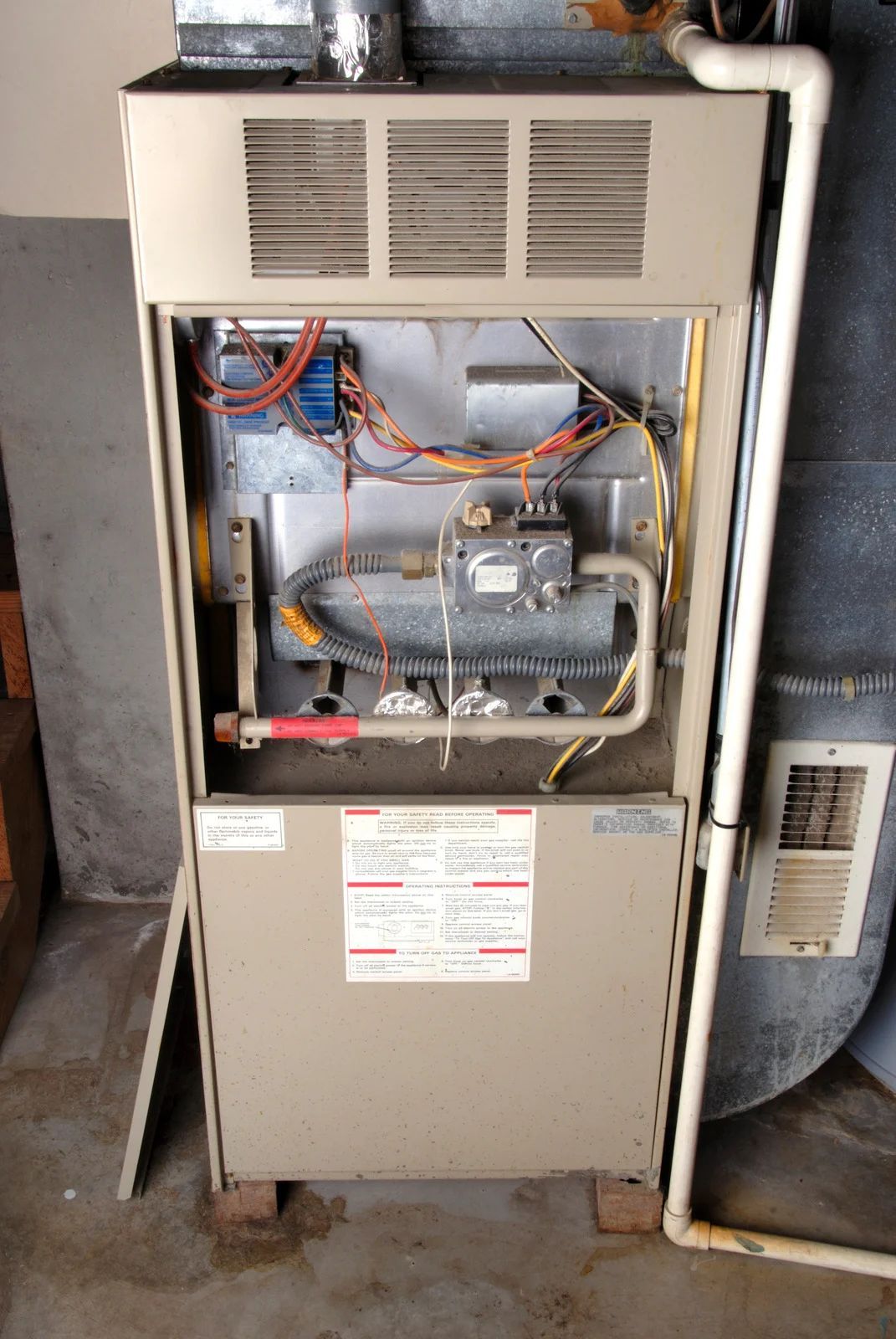
- Inspecting and Cleaning Burners:-Burners are critical for generating heat. Over time, soot and debris can accumulate, reducing combustion efficiency and potentially causing incomplete fuel burning. During a tune-up, a technician cleans the burners, checks flame color, and ensures proper ignition. A blue flame indicates optimal performance, while a yellow or irregular flame signals inefficiency or a potential hazard.
- Lubrication of Moving Parts:- Furnace motors, fans, and belts require proper lubrication to reduce friction and wear. During tune-ups, technicians apply specialized lubricants to bearings and other moving components. This reduces energy consumption, prevents premature failures, and contributes to quieter operation.
- Heat Exchanger Inspection:- The heat exchanger transfers heat from fuel combustion to the home’s air. Cracks or corrosion in this component can compromise safety and efficiency. Technicians examine the exchanger thoroughly, using visual inspection and diagnostic tools to detect subtle issues. Addressing these concerns early protects both the furnace and occupants from potential hazards.
- Thermostat Calibration:- A well-calibrated thermostat ensures the furnace cycles efficiently and maintains consistent temperature. Technicians verify settings, test responsiveness, and adjust if necessary, preventing overheating, short cycling, or uneven room temperatures.
Real-World Scenarios Highlighting Tune-Up Importance
Scenario 1: Preventing Mid-Winter Failures
Consider a household in Aurora, Colorado, where winter temperatures can drop below zero. A neglected furnace may break down during a cold snap, leaving residents without heat for hours or even days. A regular tune-up prior to the season could identify worn belts or a weak ignition system, preventing this inconvenient and potentially dangerous situation.
Scenario 2: Reducing Energy Costs
A family noticed a sudden spike in heating bills during the winter months. A professional inspection revealed a dirty blower and clogged filters, which were forcing the furnace to work harder. After the tune-up, airflow improved, combustion efficiency increased, and monthly energy bills dropped noticeably.
Scenario 3: Enhancing System Longevity
An older furnace was approaching the end of its expected lifespan. Routine maintenance over several years had ensured all minor issues were addressed promptly. As a result, the furnace continued to operate efficiently for over a decade beyond initial expectations, demonstrating how consistent tune-ups can extend system life and delay costly replacements.
Best Practices for Homeowners
- Schedule Annual Inspections:- Experts recommend scheduling furnace tune-ups at least once per year, ideally before the heating season begins. Annual inspections allow technicians to identify and fix issues before the system is under heavy load.
- Monitor System Performance:- Homeowners should pay attention to unusual noises, fluctuating temperatures, or rising energy bills. Early detection of minor symptoms enables timely maintenance and prevents escalation into major problems.
- Maintain Clean Filters Regularly:- Even between professional tune-ups, filters should be checked monthly and replaced as needed. A clean filter reduces strain on the system, improves efficiency, and ensures cleaner indoor air.
- Keep Surrounding Area Clear:- Ensure the area around the furnace is free of clutter, dust, or flammable materials. Proper airflow and safety access are critical for effective operation and technician inspections.
- Document Maintenance Records:- Keeping a record of past tune-ups, repairs, and part replacements helps technicians provide informed service. It also assists homeowners in planning future maintenance and tracking system performance over time.
Overcoming Common Maintenance Challenges
Cost Concerns
Some homeowners hesitate to invest in regular tune-ups due to perceived expense. However, the cost of preventive maintenance is far lower than emergency repairs or premature system replacement. Framing tune-ups as an investment in longevity and efficiency clarifies the financial advantage.
Scheduling Conflicts
Busy schedules can delay routine maintenance. Planning appointments in advance and partnering with a reliable service provider ensures that inspections occur at optimal times, avoiding last-minute emergencies.
Finding Qualified Technicians
Selecting a qualified, experienced technician is crucial. Homeowners should verify certifications, ask for references, and choose providers with a strong track record. Skilled professionals perform thorough inspections, identify subtle issues, and recommend practical solutions.
Seasonal Wear and Environmental Factors
Extreme weather, dust, and debris can accelerate furnace wear. Regular maintenance mitigates environmental impacts, keeping the system resilient regardless of seasonal fluctuations or external conditions.
Reliable Furnace Maintenance Backed by Proven Experience
Regular furnace tune-ups are essential for extending the life of your heating system, improving energy efficiency, and maintaining a safe, comfortable home environment. By addressing minor issues before they escalate, homeowners can prevent costly repairs, reduce energy bills, and enjoy consistent heating performance throughout the winter season. From clean filters and lubricated motors to precise thermostat calibration and heat exchanger inspections, professional maintenance ensures every component functions optimally. Implementing a proactive maintenance routine also enhances indoor air quality, reduces safety risks, and maximizes the return on your investment.
For residents in Aurora, Colorado, 303 Heating & Air, Inc
is a trusted partner in furnace maintenance and home comfort. With over 21
years of experience, our team specializes in professional tune-ups, preventative care, and expert repair solutions. We are committed to delivering reliable, efficient service tailored to each customer’s needs, ensuring your furnace operates safely and efficiently for years to come. Homeowners can rely on 303 Heating & Air, Inc
to protect their investment, maintain comfort, and extend the life of every heating system we service.