What to Expect During a Professional HVAC Installation
Investing in a new HVAC system is a significant decision that directly affects your home's comfort, energy efficiency, and overall indoor air quality. Whether you’re replacing an outdated unit or installing a brand-new system, knowing what to expect during the professional HVAC installation process can help reduce stress and ensure everything runs smoothly. Here's a step-by-step breakdown of what typically happens during a professional HVAC installation.
Initial Assessment and Consultation
The
HVAC installation process begins with an in-home assessment by certified technicians. During this visit, the technician will evaluate your current system, measure your home’s square footage, assess ductwork, insulation, and window placement, and discuss your heating and cooling needs. This helps them determine the right size and type of unit for your home. At this stage, energy efficiency ratings, budget considerations, and system features will also be reviewed to ensure the new system meets your expectations.
Removal of the Old HVAC System
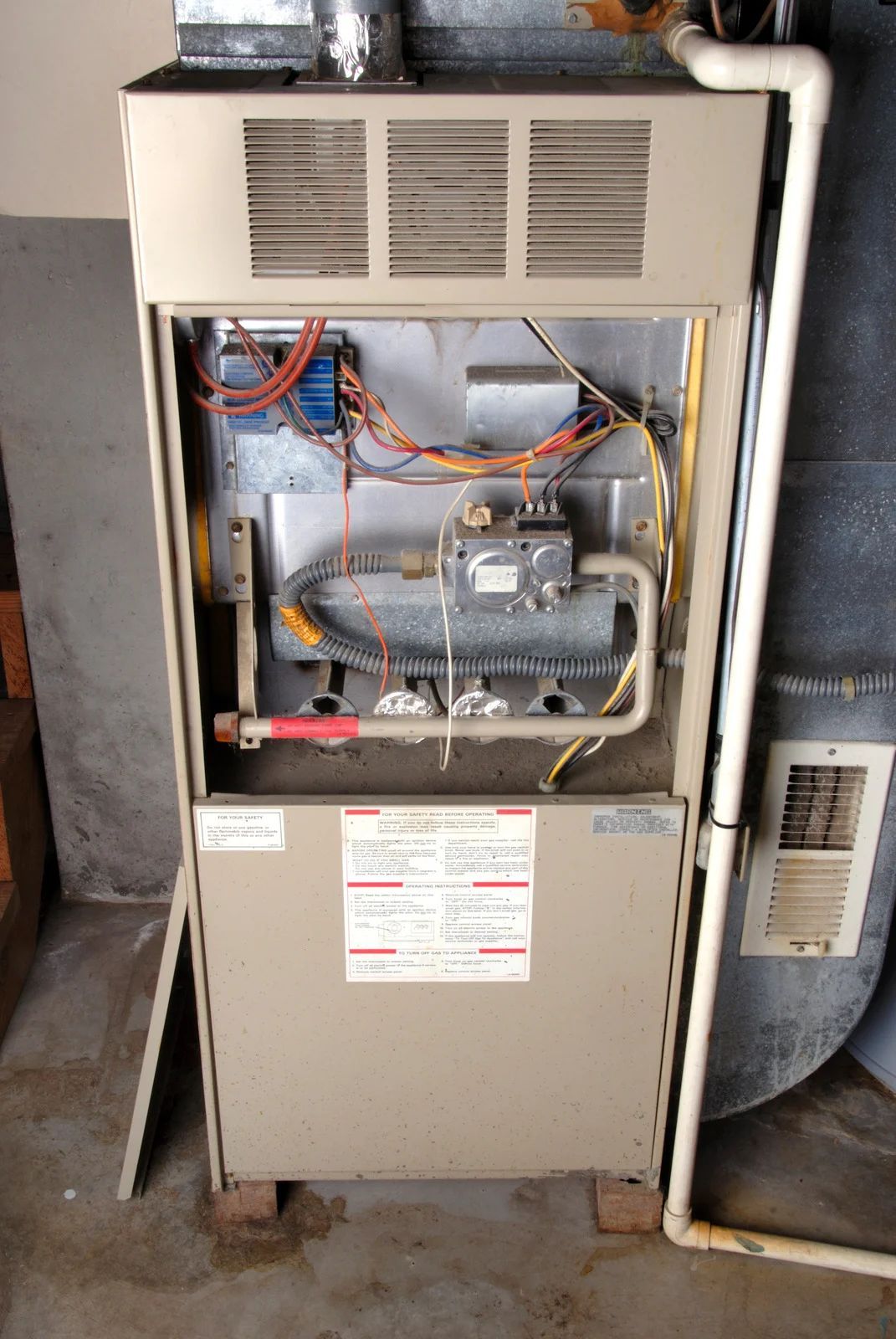
Before installing the new system, the old unit must be safely removed. This involves turning off the power supply and carefully disconnecting the components. The technicians will also handle any refrigerant disposal in accordance with EPA regulations. If your system includes ductwork that’s being reused, it will be inspected and cleaned to ensure compatibility and efficiency with the new system. Proper removal is crucial to prevent damage and prepare for a smooth installation.
Installation of the New Unit
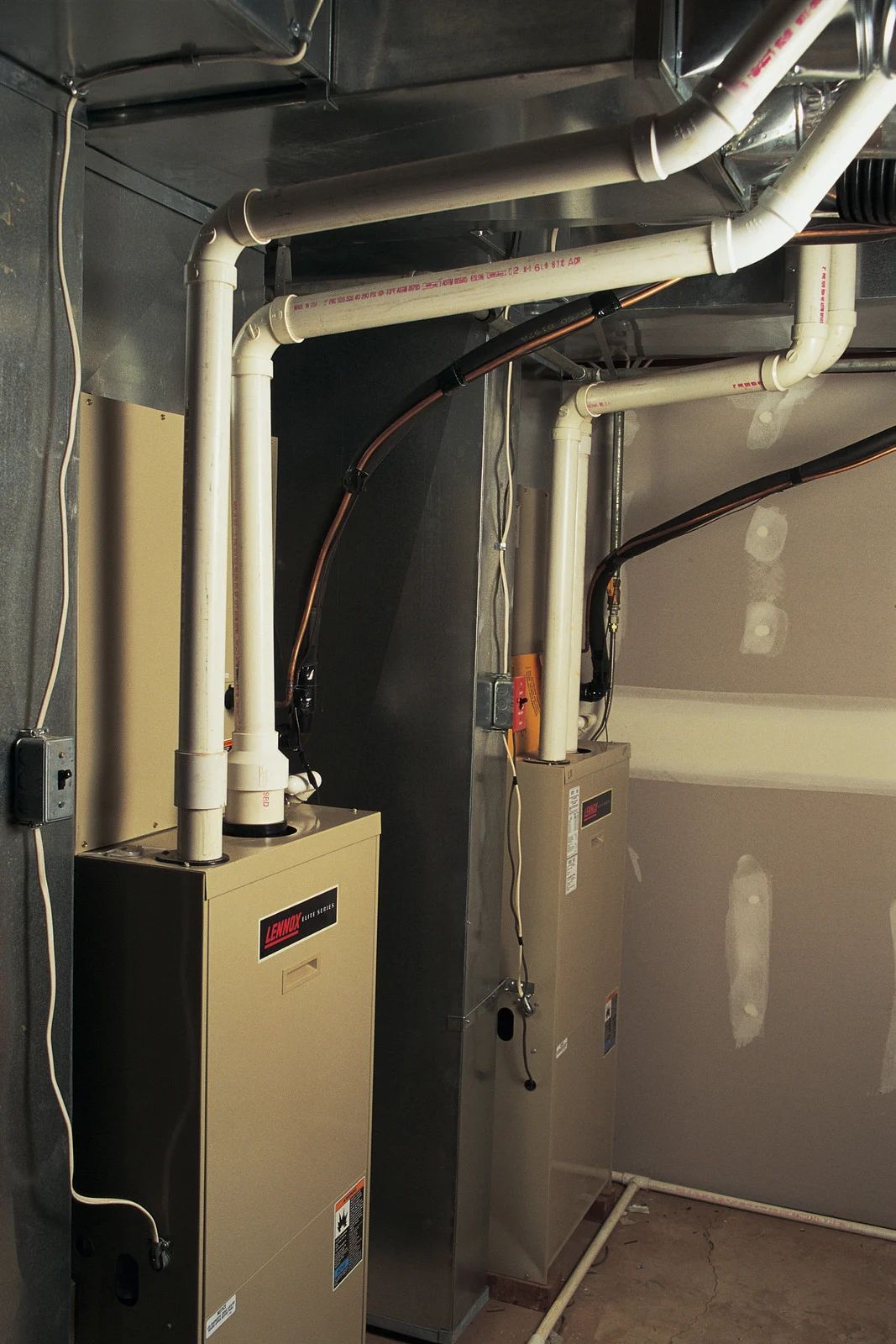
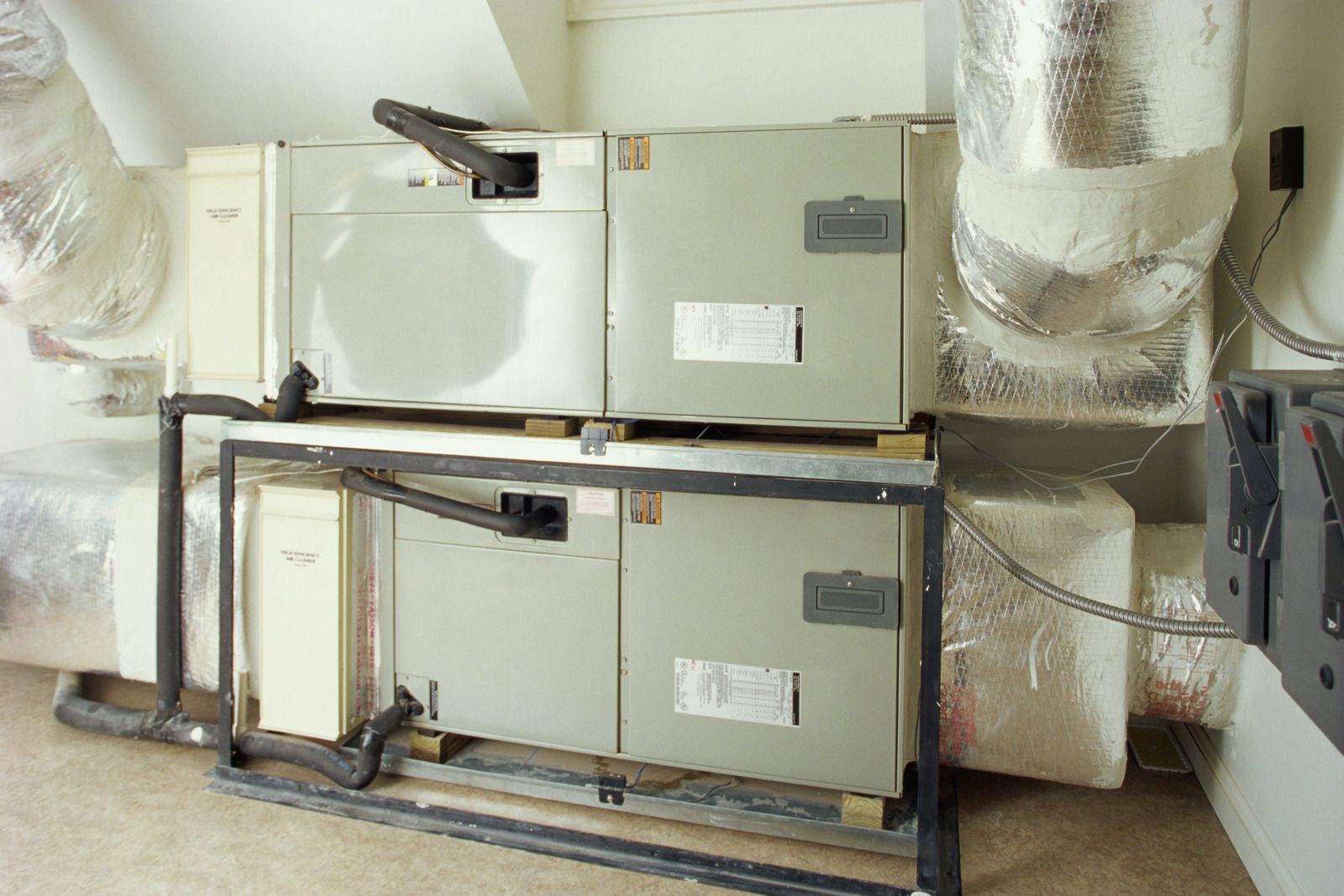
With the old system removed, the installation of the new HVAC unit begins. This step typically includes placing the indoor and outdoor units, connecting refrigerant lines, electrical wiring, and drainage systems, and securing all components. For homes that require new ductwork, this process might take longer. The technicians will make sure the unit is level, sealed correctly, and meets all local codes and manufacturer specifications. A quality installation directly impacts the system's lifespan and performance.
System Testing and Calibration
Once the unit is fully installed, the system undergoes thorough testing. Technicians will check airflow, refrigerant levels, electrical connections, thermostat operation, and system responsiveness. Calibration ensures that your HVAC system is operating efficiently and safely. This is also when zoning systems, smart thermostats, or additional components like air purifiers are tested for proper function. This step guarantees the system is ready to deliver optimal comfort from day one.
Final Walkthrough and Homeowner Education
After the installation and testing, the technician will walk you through the entire system. They’ll show you how to operate the thermostat, change air filters, and perform simple maintenance tasks. You'll also receive important documentation such as the warranty, user manual, and maintenance tips. This is the perfect time to ask any questions about system usage, energy-saving features, or service plans for ongoing maintenance.
A professional HVAC installation doesn’t just provide better climate control—it enhances your home’s efficiency and long-term reliability. At 303 Heating & Air, Inc., we bring 21 years of experience to every job, ensuring precise installation and unmatched customer service in Aurora, Colorado. Ready to upgrade your home comfort system? Contact us today to schedule your consultation and experience the difference expert installation makes!